
With its bewildering array of landscapes and rich biodiversity, not to mention its iconic wildlife and unique geological history, South Africa is a haven for nature lovers. There’s Kruger National Park to the east, Table Mountain National Park to the west, and endless coastal beauty along both the Garden Route and the Wild Coast. The city of Cape Town lies in the Western Cape province, the country’s most developed tourism region, and is home to a number of natural wonders such as the Twelve Apostles, Kirstenbosch National Botanical Garden, and Lion’s Head Mountain. Then there’s the Atlantic Seaboard, otherwise known as Cape Town’s Riviera, which is characterized by hillside neighbourhoods, sensational beaches, and mountainous backdrops. Stretching from the V&A Waterfront in the north to Hout Bay in the south, this scenic strip of coastline provides ample opportunity to tune into nature.

1. Walk barefoot in the white sand and swim (cautiously) in the blue sea at Llandudno Beach.
A quiet residential suburb with some of the most expensive real estate in all of South Africa, Llandudno is a stone throw’s away from Cape Town’s beaten path. Gathering more locals than tourists, this hidden gem of a beach features surfable waters and majestic views of the Twelve Apostles mountain range. The crescent-shaped bay is somewhat sheltered from rough seas and strong winds, though caution is advised when swimming due to crashing waves and rip currents. I spent a lovely afternoon here with a book in my bag and a camera in my hand, getting lost in otherworldly tales and capturing reflections in wet sand. Be sure to lather up with sunscreen and pack a little picnic beforehand, as shade is limited and commercial establishments are nonexistent.


Suggested Reading: My First Impressions of Cape Town, South Africa
2. Cloud gaze at Table Mountain and peer over the City Bowl from the top of Lion’s Head.
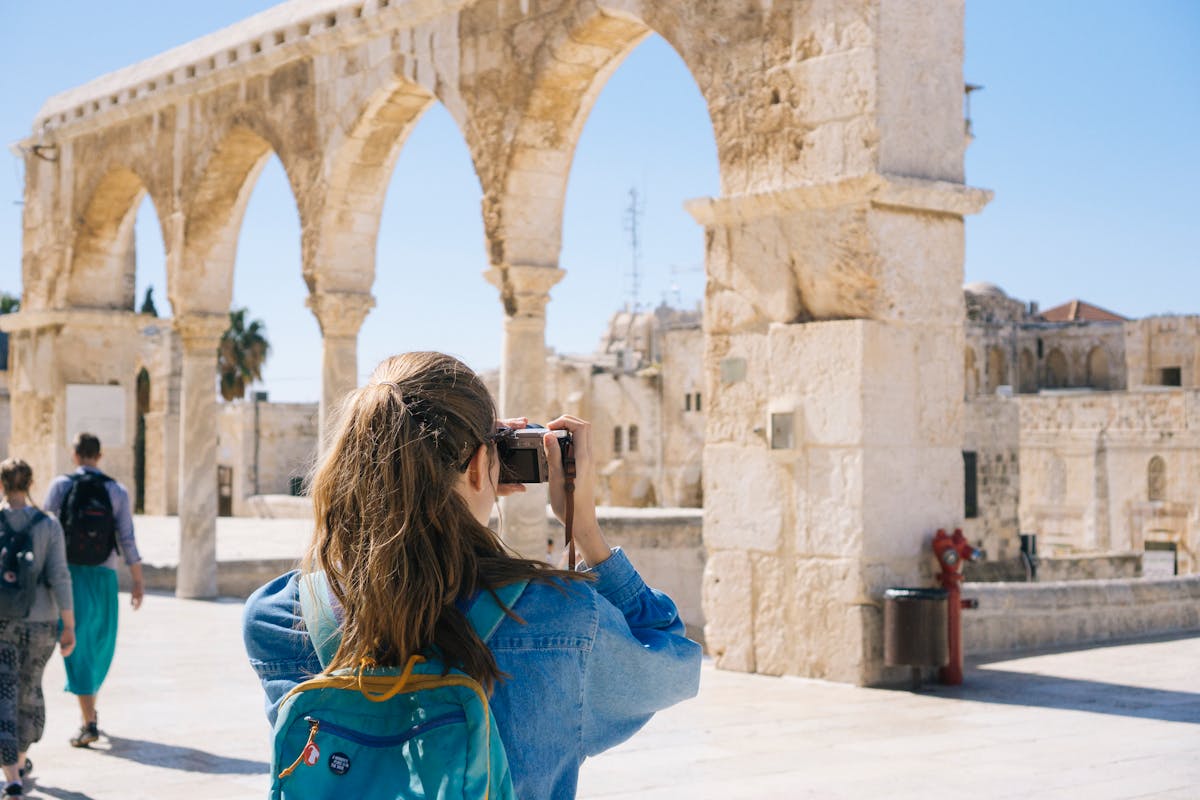
Situated within Table Mountain National Park and above the Atlantic Seaboard, the Lion’s Head hike is an essential part of any Cape Town itinerary. Standing 669.9 metres above sea level, this geological wonder is made up of three types of rock – sandstone, granite, and siltstone – and offers 360-degree views of not only the city, but also the province. I used approximately ninety minutes to reach the summit from the Ave St Leon trailhead in Bantry Bay, which winds around the mountain and up a series of ladders, chains, and staples. From the top, I watched clouds roll over the flat-topped Table Mountain (Capetonians call this the ‘tablecloth’, a phenomenon attributable to orographic clouds) and caught a glimpse of Robben Island in the distance.


As with any mountain adventure, preparation is of the utmost importance when hiking Lion’s Head, since the weather can change in an instant. Given the uneven ground and rocky surfaces, closed-toe shoes and comfortable clothes are highly recommended. In addition, a daypack with sufficient water, trail snacks, sun protection, and extra layers is essential – I’ve been loving my petrol blue Daylite Travel from Osprey Europe. This daypack features a sternum strap with an emergency whistle, as well as a zippered scratch-free sunglasses and electronics pocket, a design that’s both safe and practical! The interior also has plenty of room for my camera and tripod, plus the travel organization pockets and secure tamper-proof construction makes the Daylite Travel a trusty piece of carry-on luggage too. Find Osprey Europe on Instagram, Facebook, and online.
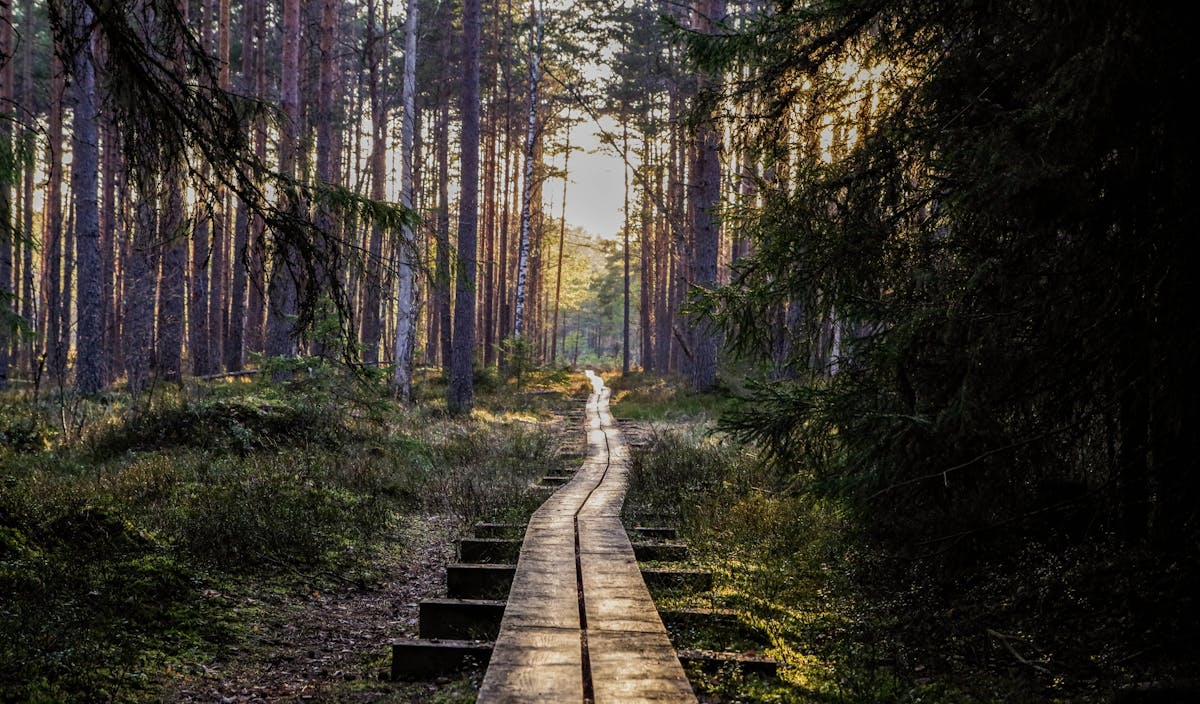
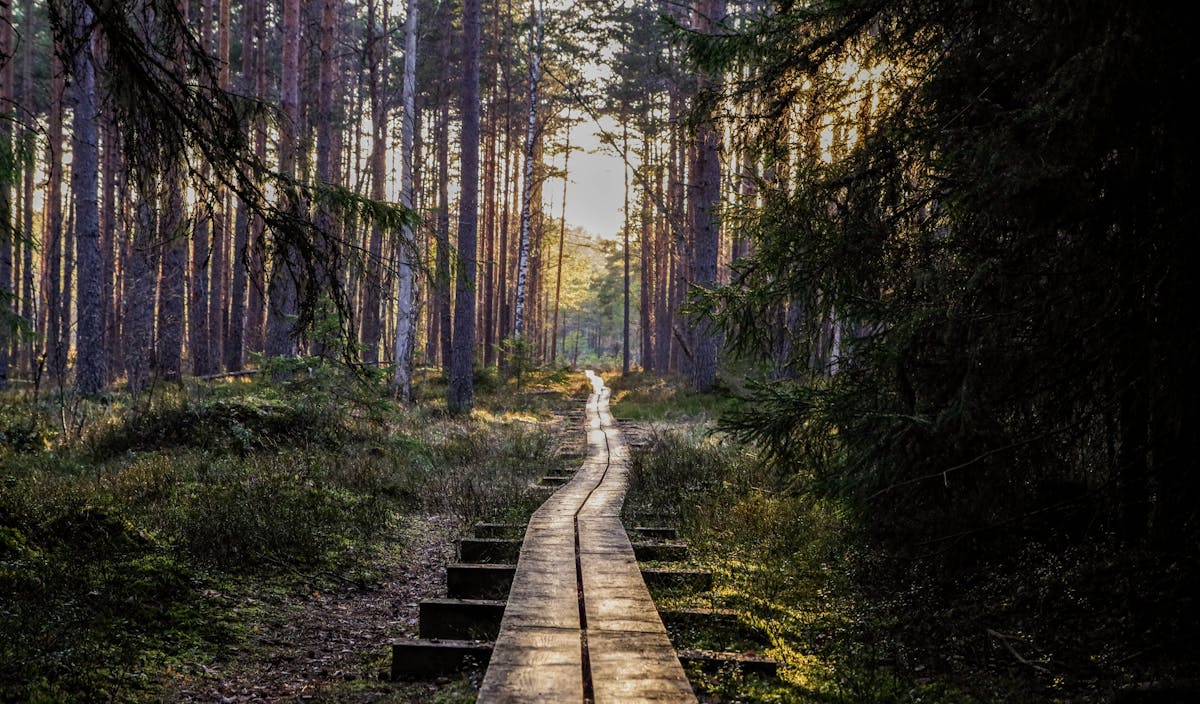
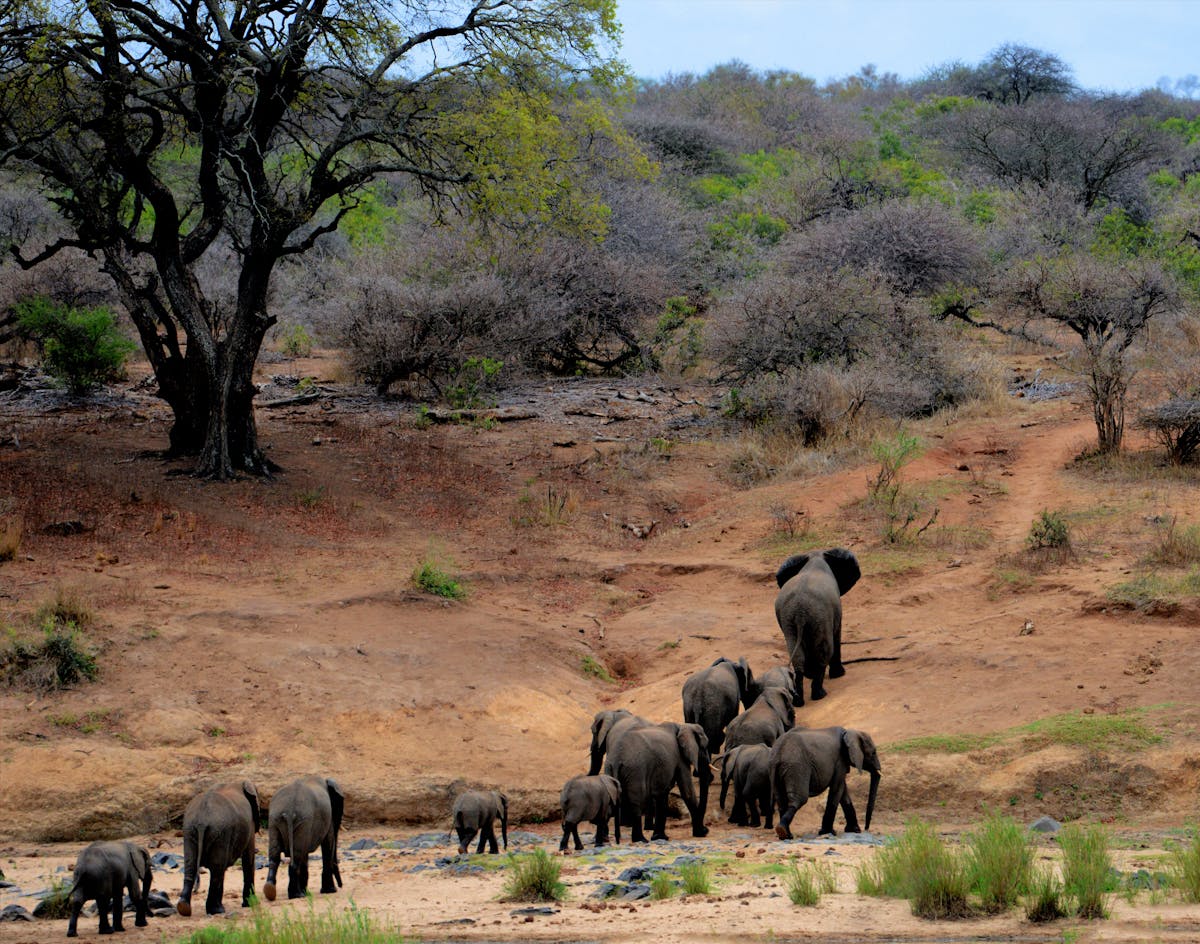
3. Listen to the sweet sounds of nature at World of Birds Wildlife Sanctuary and Monkey Park in Hout Bay.
With over 3,000 birds, mammals, and reptiles of 400 different species, World of Birds Wildlife Sanctuary and Monkey Park is the largest of its kind on the African continent. Over 100 aviaries are filled with parrots, ostriches, goshawks, magpies, owls, starlings, penguins, guineafowls, bulbuls, flamingos, and so on. As for mammals, the servals and squirrel monkeys stole the show in my books, and the tortoises were my favourite of the reptiles. This is an independent institution and therefore relies on ticket sales and public support to care for its creatures, so I urge you to help if you feel so inclined! Afterward, continue four kilometres down toward the coast where sand dunes and maritime markets await at Hout Bay Beach and Mariner’s Wharf, respectively.
4. Breathe the salty air and feel the ocean mist while yoga-ing on the rugged rocks of Bakoven.
Nestled between Camps Bay and Oudekraal Beach, Bakoven is an idyllic seaside community featuring small coves and large boulders. The name ‘Bakoven’ comes from an offshore rock that resembles a baking oven at low tide, and the secluded Beta Beach is one of Cape Town’s best-kept secrets. The serene atmosphere lends itself to mindfulness and meditation, while the abundance of flat surfaces makes this the perfect playground for yogis such as myself. Just up from the water lies Bootlegger Coffee Company, a well-loved establishment with more than a dozen coffee shops scattered throughout the city. This particular location became my go-to place to work during the day, and their famous banana bread pairs wonderfully with a flat white.
Suggested Reading: Goodbye South Africa, Hello Home Quarantine
Be it a powdery sand beach, a rocky hiking trail, a luscious animal haven, or a flawless yoga rock, there’s so much to discover on Cape Town’s Atlantic Seaboard. How do you tune into nature?
With ♡, Julia Elizabeth
Osprey Europe did send me a Daylite Travel pack in exchange for this review. As always, all opinions are my own.
